
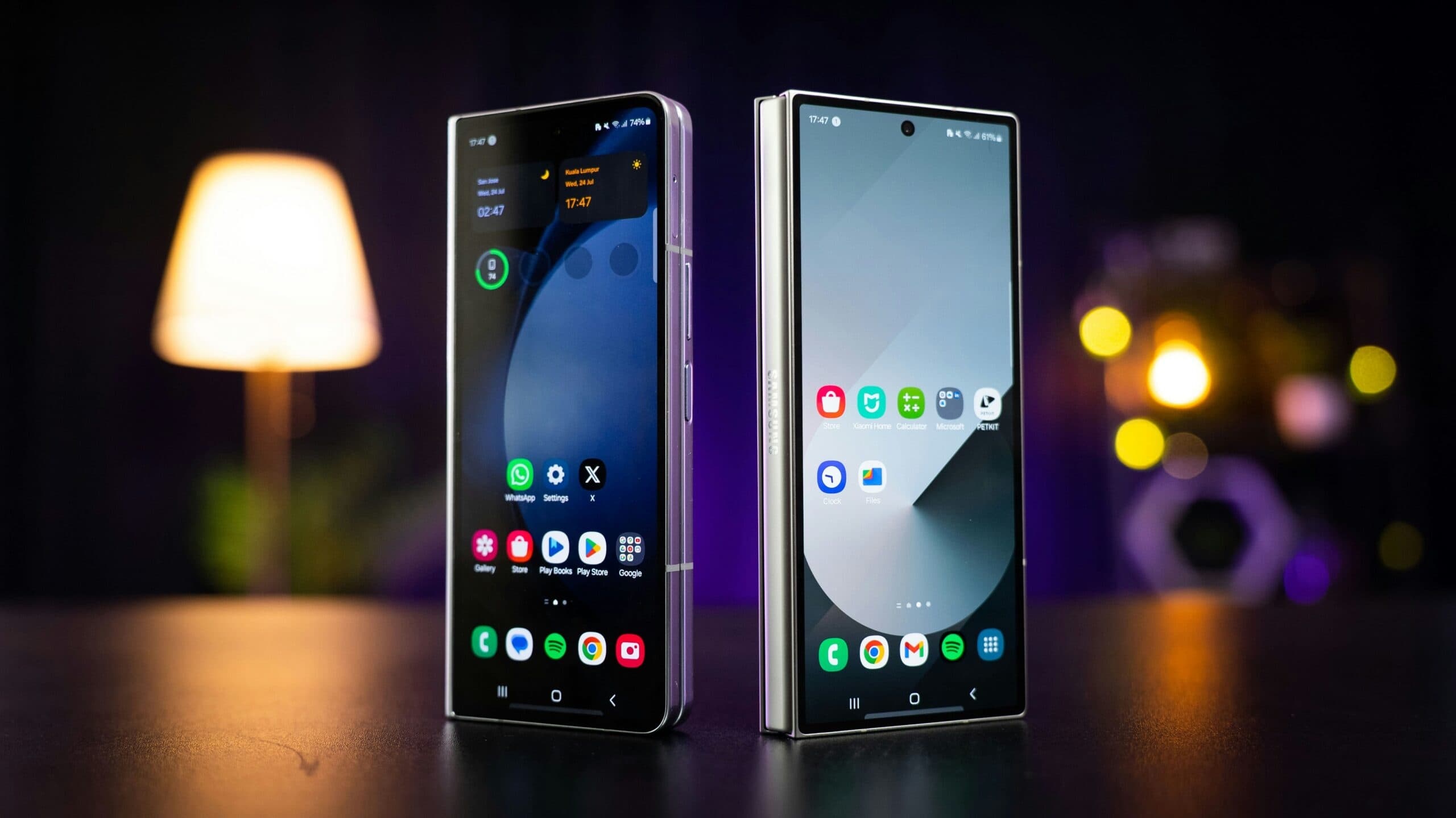
Every Kenyan business owner building a digital product eventually faces the same question — USSD vs Mobile App, which one should you go with? It sounds like a simple technical choice, but it is really a business decision. Get it right and you reach your customers efficiently. Get it wrong and you build something your target audience either cannot access or will not use.
This guide gives you an honest, practical breakdown of the USSD vs Mobile App debate so you can make the right call for your specific situation in 2026.
What Are We Actually Comparing?
Before diving into the USSD vs Mobile App question, it helps to understand what each one is.
USSD (Unstructured Supplementary Service Data) is the technology behind short codes like *334# for M-Pesa. When a user dials a USSD code, a real-time text-based session opens between their phone and your server. They navigate menus, make selections, and complete tasks — all without data, on any phone, on any network.
A Mobile App is a software application installed on a smartphone. It gives users a rich visual experience — images, buttons, animations, offline capabilities, and push notifications. It runs on Android or iOS and typically requires data to function fully.
The USSD vs Mobile App debate comes down to one core question: who are your customers and how do they connect?
USSD vs Mobile App: Reach
This is where USSD has a clear and undeniable advantage.
A USSD service works on every phone — from the most basic feature phone to the latest Android flagship — with no internet connection required. It works on Safaricom, Airtel, and Telkom networks. It works in areas where data coverage is weak or non-existent. A farmer in rural Meru, a bodaboda rider in Eldoret, and a market trader in Kisumu can all use your USSD service right now, today, with whatever phone they have in their pocket.
A mobile app, on the other hand, only reaches users who have a smartphone with enough storage to install it, a data connection to download it, and a Google Play account to get it. According to GSMA Intelligence, a significant portion of mobile subscribers in Sub-Saharan Africa still use basic or feature phones, making the USSD vs Mobile App reach gap very real for businesses serving broad Kenyan audiences.
When you are thinking about USSD vs Mobile App from a reach perspective, USSD wins if your audience is mixed or rural. A mobile app wins if your audience is urban, smartphone-heavy, and data-connected.
USSD vs Mobile App: User Experience
Here the mobile app takes the lead.
A well-built Android app feels natural and familiar to smartphone users. You can display product images, build shopping carts, show maps, send personalised notifications, and create workflows that guide users through complex processes without frustration.
USSD menus are text-only, limited in characters per screen, and operate under a strict session timeout. You cannot show images, you cannot save progress between sessions, and deep menu structures can become confusing if not designed carefully.
That said, the USSD vs Mobile App experience gap matters less than people assume for transactional services. If someone just needs to check their loan balance, pay a bill, or register for a service, a clean USSD flow is fast, familiar, and gets the job done. M-Pesa’s *334# is used billions of times across Kenya precisely because it is simple and reliable.
The USSD vs Mobile App experience question really becomes important when your service requires rich content, ongoing engagement, or complex decision-making. For those use cases, a mobile app is the stronger choice.
USSD vs Mobile App: Cost
When comparing USSD vs Mobile App on cost, USSD is generally more affordable to build and maintain.
A USSD system involves server-side logic and a connection to a USSD gateway provider. There is no UI design, no app store submission process, and no need to test across hundreds of Android device models and screen sizes.
A mobile app requires design work, development for Android (and potentially iOS), thorough device testing, Play Store submission, and ongoing updates every time Android releases a new version. The total investment — both upfront and over time — is meaningfully higher.
For businesses working with limited budgets, the USSD vs Mobile App cost comparison often makes USSD the smarter starting point. You can launch a USSD service, validate your product with real users, and build the mobile app later once revenue and traction justify the investment.
Our recent guide on M-Pesa Daraja API integration is worth reading alongside this one — payment integration is a core requirement for both USSD and mobile app builds in Kenya, and understanding it early helps you plan your total budget accurately.
USSD vs Mobile App: Offline Capability
USSD wins this one without contest.
Because USSD uses the GSM voice channel rather than the mobile data network, it functions with no internet connection at all. According to the Communications Authority of Kenya, rural connectivity remains a development priority, which means millions of Kenyans still experience unreliable or expensive data access daily.
A mobile app typically requires a data connection for most functions. Even apps with offline caching built in have limits — they cannot process transactions, sync records, or communicate with your server without connectivity.
For businesses serving customers outside major urban centres, the USSD vs Mobile App offline question is often decisive. If your customers cannot reliably load your app, the app is not serving them.
Which Businesses Should Go With USSD
The USSD vs Mobile App decision favours USSD when:
- Your customers include feature phone users or people in rural and peri-urban areas
- Your core service is transactional — payments, balance checks, registrations, status queries
- You need zero data cost on the customer’s side
- You are building for SACCOs, microfinance institutions, agri-tech platforms, or e-governance
- You want to launch quickly and cost-effectively
- You need 100% network reach across Safaricom, Airtel, and Telkom
Explore our USSD development in Kenya and USSD development in Nairobi pages for more detail on what a full USSD build involves, including shortcode provisioning with Safaricom and Airtel.
Which Businesses Should Go With a Mobile App
The USSD vs Mobile App decision favours a mobile app when:
- Your customers are primarily urban smartphone users with regular data access
- Your service requires rich media — product catalogues, images, video, or maps
- Push notifications are central to your engagement and retention strategy
- You are building a marketplace, delivery platform, or consumer-facing social product
- Brand experience and long-term customer loyalty are priorities
According to Statista, smartphone penetration in Kenya continues to rise year on year, particularly in Nairobi, Mombasa, and Kisumu. If your business is concentrated in these markets, a mobile app is an increasingly compelling choice. Check out our mobile app development in Kenya and mobile app development in Nairobi pages for more on what an app build involves.
The Honest Answer: Many Kenyan Businesses Need Both
The most useful thing to say about USSD vs Mobile App is that for a significant number of Kenyan businesses, the answer is not either/or — it is both, serving different customer segments through the same backend.
M-Pesa is the most obvious example. You can manage your money through *334# on any phone or through the M-Pesa app on a smartphone. Both channels connect to the same system. The USSD channel ensures no customer is left behind. The app provides a better experience for those who can use it.
If your budget and timeline allow, building both gives you maximum reach today with a path to a richer experience for customers who grow into smartphones. If you have to choose one to start with, use the USSD vs Mobile App criteria above to match the channel to your actual customer base — not the customer base you wish you had.
Ready to make a decision? Get a free consultation today — we will help you map your customer base, assess your budget, and recommend the right approach.
| Factor | USSD | Mobile App |
|---|---|---|
| Reach | All phones, no data needed | Smartphones only |
| User experience | Simple, text-based | Rich, visual |
| Cost to build | Lower | Higher |
| Offline use | Full functionality | Limited |
| Best for | Rural, transactional, inclusive audiences | Urban, engaged, smartphone users |
The USSD vs Mobile App question does not have a universal answer. It has the right answer for your business — and that answer starts with understanding your customers.
About GuruCrafts Agency — GuruCrafts Agency is a Meru-based web, mobile, and USSD development company serving businesses across Kenya. We build fast, mobile-first, SEO-optimized digital products that help Kenyan businesses grow. Get a free quote today.